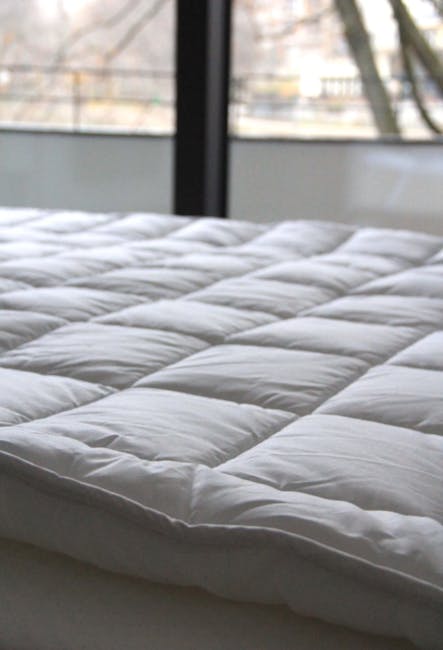
Chelsea Bridge Road mattress cleaning and stain removal guide
Posted on 23/10/2026
If you live near Chelsea Bridge Road, you already know how quickly a mattress can go from comfortable to a bit dubious. A spill, a sweaty summer night, a pet accident, a forgotten cup of tea in bed, and suddenly the whole room feels less fresh. This Chelsea Bridge Road mattress cleaning and stain removal guide brings together the practical steps, sensible precautions, and local realities that matter when you want a mattress to look cleaner, smell better, and last longer.
Truth be told, mattress cleaning is one of those jobs people put off until the stain is staring back at them. Then the question becomes: do you try a DIY fix, or call in professional help? The answer depends on the stain, the fabric, and how fast you act. Below, you'll find clear guidance that helps you make the right call without overthinking it.
For readers who want related home care advice as well, there are useful local resources on deep cleaning in Battersea and upholstery cleaning in Battersea, which can be handy if the mattress issue is part of a bigger spring reset.

Why Chelsea Bridge Road mattress cleaning and stain removal guide Matters
A mattress is where you spend a third of your life, give or take, so cleaning it properly is not just a cosmetic job. It affects comfort, hygiene, odour control, and how long the mattress remains usable. On Chelsea Bridge Road, where many homes sit in busy London routines, mattresses often collect more than the eye can see: skin flakes, dust, moisture, and the occasional stain that refuses to leave quietly.
Stains matter because they can spread. A small wet patch can wick into the deeper layers if you rub it too hard or use too much water. Once that happens, the mark may grow, the smell may linger, and the mattress can take ages to dry. That's the frustrating bit. You think you're cleaning, but you may be feeding the problem.
There's also the sleep quality side of it. A clean mattress feels better. It smells cleaner, feels less stuffy, and simply makes the bedroom more restful. You notice it most on those grey London mornings when the window's been shut all night and the room needs a proper reset.
From a practical point of view, regular mattress care can help delay wear and reduce the need for replacement. If you're managing a rental, preparing for a move, or just keeping your home in good shape, that's a real advantage. For broader property-related context around the area, the Battersea property market guide gives a useful sense of why presentation and upkeep matter so much locally.
Expert summary: The best mattress cleaning outcomes usually come from fast action, gentle methods, low moisture, and patience. Most stain damage comes not from the stain itself, but from the way people try to remove it.
How Chelsea Bridge Road mattress cleaning and stain removal guide Works
Mattress cleaning works best when you treat the stain according to what caused it. That sounds obvious, but people often reach for the same spray no matter what the mark is. Coffee, sweat, urine, blood, makeup, and food stains each behave differently. Some are protein-based, some are oily, and some need odour control as much as stain removal.
The main principle is simple: lift, don't soak. A mattress is not like a tiled floor or washable cover. It absorbs liquid fast. So the process usually starts with dry removal, then spot treatment, then careful extraction of residue, and finally full drying. If you skip the drying stage, the job is only half done. Maybe worse.
Professional cleaning methods often use low-moisture techniques or controlled extraction depending on the mattress type and stain severity. In many cases, a technician will inspect the fabric, test a small hidden area, and choose the safest cleaning agent for that material. That testing step is not a formality. It can prevent discolouration, fibre damage, or the dreaded water ring.
For households planning a broader refresh, combining mattress cleaning with a spring cleaning service in Battersea can make the whole bedroom feel genuinely lighter. And if you're dealing with one-off messes rather than a full deep clean, the same logic often applies across the room.
Key Benefits and Practical Advantages
A good mattress cleaning routine gives you more than a neat-looking bed. The benefits stack up quite quickly, especially in city homes where bedrooms can become stuffy and busy over time.
- Improved appearance: freshens the surface and reduces visible marks.
- Better odour control: helps remove damp, sweat, and spill smells before they settle.
- Longer mattress life: less residue and less fibre damage from repeated harsh cleaning.
- More comfortable sleep: a cleaner sleeping surface simply feels better.
- Better hygiene: regular cleaning helps reduce the build-up of everyday debris.
- Reduced stress at move-out: a cleaner mattress can support a better overall room presentation.
There's also a psychological benefit, which people underestimate. A spotless bed can make the whole room feel more sorted, even if the wardrobe is still doing its own thing in the corner. It's a small win, but a real one.
If you live in a shared flat, rent out a room, or host guests, that first impression matters too. A mattress stain may be hidden under bedding, yes, but smells and damp patches have a habit of giving themselves away. Annoyingly so.
Who This Is For and When It Makes Sense
This guide is useful for anyone dealing with a stained or tired-looking mattress, but a few situations come up over and over in Chelsea Bridge Road and nearby Battersea homes:
- Tenants preparing for check-out or end-of-tenancy cleaning
- Homeowners wanting a fresher bedroom without replacing the mattress
- Landlords and hosts maintaining a clean, presentable property
- Families dealing with spills, accidents, or allergy concerns
- Flatshares where the mattress has had a busy life and needs a reset
- Anyone who has tried a DIY treatment and made the stain spread a bit more than expected
It makes sense to start with DIY stain treatment when the mark is fresh, small, and clearly surface-level. If the stain is old, large, odorous, or has soaked in, professional help is usually the safer route. That's especially true if the mattress is memory foam, latex, or has no removable cover.
If you want a broader household clean rather than a single-room fix, consider house cleaning in Battersea or domestic cleaning in Battersea alongside the mattress work. Sometimes it's the whole sleeping area that needs attention, not just the mattress itself.
Step-by-Step Guidance
Below is a practical way to tackle most common mattress stains. It is not magic. It is just the sort of careful, boring method that tends to work.
- Strip the bed immediately. Remove sheets, protectors, and pillowcases. Wash them separately.
- Vacuum the mattress surface. Use an upholstery attachment to lift dust and loose debris before adding any moisture.
- Identify the stain. Check whether it is moisture-based, oily, protein-based, or odour-heavy. If you are unsure, start gently.
- Blot, do not rub. Use a clean white cloth or paper towel and press lightly to absorb excess liquid.
- Apply a small amount of suitable cleaner. Use a mattress-safe solution or mild cleaning mix, depending on the stain and manufacturer guidance.
- Work from the outside in. This helps prevent the stain from spreading into a wider halo.
- Lift residue carefully. Dab with a clean damp cloth, but do not flood the fabric.
- Dry thoroughly. Open windows, use airflow, and keep bedding off until the mattress is fully dry.
- Repeat only if needed. Two gentle attempts are usually better than one aggressive one.
For sweat stains or general yellowing, a light cleaning pass and good drying can improve things. For food, drink, or pet-related marks, you may need a second stage focused on odour and disinfection. Just be cautious with over-wetting. That's the classic mistake, and it catches people out all the time.
How to treat common stain types
- Coffee or tea: blot quickly, then use a small amount of mild cleaner and repeat with fresh cloths.
- Blood: use cool water only at first; heat can set protein stains. Keep it gentle.
- Urine: tackle the liquid fast, then focus on odour removal and full drying.
- Sweat: light spot cleaning and deodorising work better than scrubbing.
- Makeup: treat as an oily stain. A little patience helps more than force.
- Food and sauce: scrape off solids first, then treat the residue carefully.
If the mattress is part of a planned tenancy handover, a coordinated clean may be worth considering. The end of tenancy cleaning Battersea page is a helpful reference point for that kind of move-out timing.
Expert Tips for Better Results
A few small habits make a big difference. In our experience, these are the things that separate a decent result from a disappointing one.
- Test before full treatment. Always try any solution on a hidden corner first if you can.
- Use white cloths. Coloured cloths can bleed dye into the mattress. A silly little detail, but it happens.
- Keep moisture controlled. A barely damp cloth is usually enough for spot work.
- Ventilate the room. Fresh air helps drying and reduces the chance of lingering smell.
- Protect the mattress afterwards. A washable protector is worth it, honestly.
- Act quickly on spills. The first ten minutes often matter more than the next ten products you buy.
- Vacuum regularly. It is not glamorous, but it keeps dust and grit from embedding into the surface.
One more thing: if you've got velvet curtains, upholstery, or other delicate fabrics in the same bedroom, don't use the same treatment everywhere. Fabric types differ. A cleaner approach for the mattress may be too harsh for nearby soft furnishings. For delicate textiles, there's a useful guide on simple and safe velvet curtain washing techniques.
And yes, sometimes the best expert tip is simply to stop halfway before you overdo it. A stain can survive a little. It does not survive panic very well, though.
Common Mistakes to Avoid
Most mattress cleaning problems are self-inflicted. That sounds harsh, but it's true. Here are the usual culprits:
- Scrubbing hard: this pushes stain deeper and roughs up the fibres.
- Using too much water: wet mattresses can develop smells, mould risk, or ring marks.
- Skipping drying time: putting bedding back too early traps moisture.
- Using random chemicals: strong cleaners can damage fillings or discolour fabric.
- Mixing cleaning products: never combine products unless instructions clearly allow it.
- Ignoring the mattress label: care instructions are there for a reason.
- Trying to cover the smell instead of removing it: deodoriser alone is not a fix.
A sneaky one is cleaning only the visible mark and forgetting the surrounding area. Many stains have a wider spread than they first appear to. That faint edge matters. If you only hit the middle, the halo stays behind and the stain looks worse once it dries. Bit frustrating, that.
Tools, Resources and Recommendations
You do not need a huge kit to clean a mattress properly. In most homes, a small set of sensible tools is enough.
| Tool or item | Best use | Why it helps |
|---|---|---|
| Upholstery vacuum attachment | Removing dust and dry debris | Prepares the surface before spot cleaning |
| White microfiber cloths | Blotting and lifting stains | Gentle on fabric and easy to monitor |
| Small spray bottle | Applying cleaner sparingly | Helps control moisture |
| Baking soda or odour absorber | Freshening after cleaning | Useful for lingering smells when used properly |
| Fan or open-window airflow | Drying | Reduces downtime and moisture retention |
| Mattress protector | Prevention | Helps stop future spills reaching the surface |
If the stain is larger, older, or on a high-value mattress, professional cleaning is often the smarter recommendation. You get more controlled moisture use, more suitable chemistry, and less guesswork. For those comparing service types, the services overview is useful for understanding what sits alongside mattress care.
It can also help to think about timing. If you're already organising a broader home reset, a one-off visit may make more sense than piecing things together one job at a time. That is where one-off cleaning in Battersea fits neatly.
Law, Compliance, Standards, or Best Practice
For mattress cleaning in a domestic setting, the key point is not a fancy legal rule; it is safe handling, sensible product use, and following manufacturer instructions. If a mattress label says avoid excessive moisture, that should be taken seriously. If a care guide warns against bleach or harsh solvents, do not improvise. The label wins.
From a UK best-practice perspective, professional cleaners should work carefully around chemicals, ventilation, and safety. That means checking surfaces before treatment, choosing appropriate products, and using protective measures where needed. It also means being honest when a stain may not fully disappear. Sometimes a mark is faded rather than removed, and it is better to say so clearly than promise miracles.
In rented properties, stain condition can become part of the property handover conversation, so documentation helps. A quick photo before treatment and after cleaning is sensible. Not glamorous, but practical. If you're a landlord or host, that's often enough to keep everyone on the same page.
For company standards and trust-related details, readers sometimes also look at insurance and safety and the health and safety policy, especially when they want reassurance that cleaning is being handled responsibly.
Options, Methods, or Comparison Table
Different mattress cleaning approaches suit different problems. Here's a straightforward comparison to help you decide what makes sense.
| Method | Best for | Pros | Limitations |
|---|---|---|---|
| Dry vacuuming | Routine maintenance | Fast, safe, low risk | Won't remove set-in stains |
| Light DIY spot cleaning | Fresh, small stains | Cheap, immediate, convenient | Can spread stain if overdone |
| Odour treatment | Smells, sweat, urine | Targets freshness | Needs proper drying to work well |
| Professional low-moisture cleaning | More stubborn marks | Controlled, thorough, safer for fabric | Usually costs more than DIY |
| Replacement | Severe damage or ageing mattress | Fresh start | Highest cost, not always necessary |
The practical choice often comes down to risk. If you can deal with the stain safely in a few minutes, fine. If you're staring at a large, old patch and you're not sure what caused it, a specialist clean is often the better route. The wrong method can make a minor issue far more annoying than it needs to be.
If you want more context on fabric care beyond mattresses, the local article on SW11 rug cleaning tips for Battersea flats and Clapham Junction is a helpful nearby read.
Case Study or Real-World Example
A typical Chelsea Bridge Road scenario goes something like this. A resident spots a faint tea stain on a double mattress after a late-night spill. They try to rub it out with a towel, which makes the mark wider and slightly darker at the edges. Very normal, very annoying.
What worked better was a calmer second attempt. First, the bedding was removed and the mattress vacuumed. Then the stain was lightly blotted rather than scrubbed. A minimal amount of suitable cleaner was applied, followed by careful dabbing with a fresh cloth and strong airflow from an open window. The stain did not vanish completely, because old tea can be stubborn, but it faded enough that the mattress looked clean again and the smell disappeared.
The useful lesson here is simple: the first reaction is often the worst one. People rush. They scrub. They over-wet the area. Once the initial panic settles, the results improve a lot. Funny how that works.
In slightly busier homes, especially where people are juggling children, pets, and work-from-home life, mattress care tends to be part of a bigger cleaning picture. That's where related services like Battersea Park upholstery cleaning for event venues can be useful context, even if the mattress is your first concern.
Practical Checklist
Use this before and during mattress cleaning so you do not miss the obvious bits.
- Strip all bedding and wash it separately
- Check the mattress label or care guidance
- Vacuum the full surface, including seams and edges
- Identify the type of stain if possible
- Blot first, never rub hard
- Use the smallest amount of liquid needed
- Test any cleaner on a hidden patch if you can
- Let the area dry fully before remaking the bed
- Use a fan or open window for airflow
- Consider a mattress protector afterwards
- Book professional help if the stain is old, large, or odorous
That last point matters more than people think. Some stains are best treated as a time-saving problem, not a DIY challenge. No shame in that at all.
Conclusion
A clean mattress makes a bedroom feel calmer, fresher, and easier to live in. And when you approach stain removal with care rather than haste, you give yourself the best chance of a decent result. The main ideas are straightforward: act quickly, use low moisture, match the method to the stain, and dry everything properly. Simple enough, though not always easy in real life.
If you are on Chelsea Bridge Road and dealing with a mattress that has seen better days, this guide should help you decide whether a careful DIY clean is enough or whether the situation calls for professional support. Either way, the goal is the same: a cleaner sleeping space and less stress at bedtime. Which, let's face it, is what most of us actually want.
Get a free quote today and see how much you can save.
When you are ready to take the next step, it can help to compare service details, review pricing and quotes, or speak directly through the contact page. A small reset can make a bigger difference than you expect.